Selecting the right laptop requires balancing your specific performance needs with your budget and portability preferences. You should focus on a machine that offers a fast processor and sufficient memory to handle your daily tasks smoothly.
Buying a new computer can feel overwhelming because there are so many options on the shelf today. You might see flashy designs or high price tags and assume those models are the best for you.
However, the most expensive machine is not always the right choice for every person. You need to start by looking at how you plan to use the device every single day.
If you are a student, your needs will be vastly different from a professional video editor or a casual web surfer. A gamer will prioritize graphics and cooling while a business traveler will focus on weight and battery life.
Figure Out What You Actually Need the Computer to Do
Before you look at any spec sheets, take a moment to write down your primary activities. Do you spend most of your time in a web browser or are you running heavy software like Photoshop?
This simple step prevents you from overspending on features that you might never actually use. It also ensures you do not buy a cheap machine that ends up being too slow for your workload.

Why the Prosesor Matters More Than Anything Else
When looking at the internal components of a laptop, the Prosesor stands out as the most critical part. This specific Prosesor determines how quickly your computer can calculate data and run multiple programs at once.
If you choose a weak Prosesor, you will likely experience lagging and frustration within just a few months. Most modern users should look for at least a mid range option to ensure the machine lasts for several years.
Intel and AMD are the two primary companies that create these chips for most computers on the market. For basic tasks like checking email or watching videos, an entry level chip will usually get the job done.
However, if you plan to do any multitasking, you should look for a higher tier Prosesor like an i5 or a Ryzen 5. These chips provide a sweet spot between price and power for the average consumer.
Power users who edit high resolution video or play demanding games should aim even higher. An i7 or i9 chip will provide the extra muscle needed for those intensive creative projects.
Don’t Skimp on Memory and Internal Storage
Random Access Memory is the short term memory that your Laptop uses to keep apps running in the background. If you have too little memory, your computer will crawl to a halt as soon as you open more than a few tabs.
In the current market, 8 gigabytes of RAM is considered the absolute minimum for a functional experience. If you can afford it, upgrading to 16 gigabytes will make your device feel much faster and more responsive.
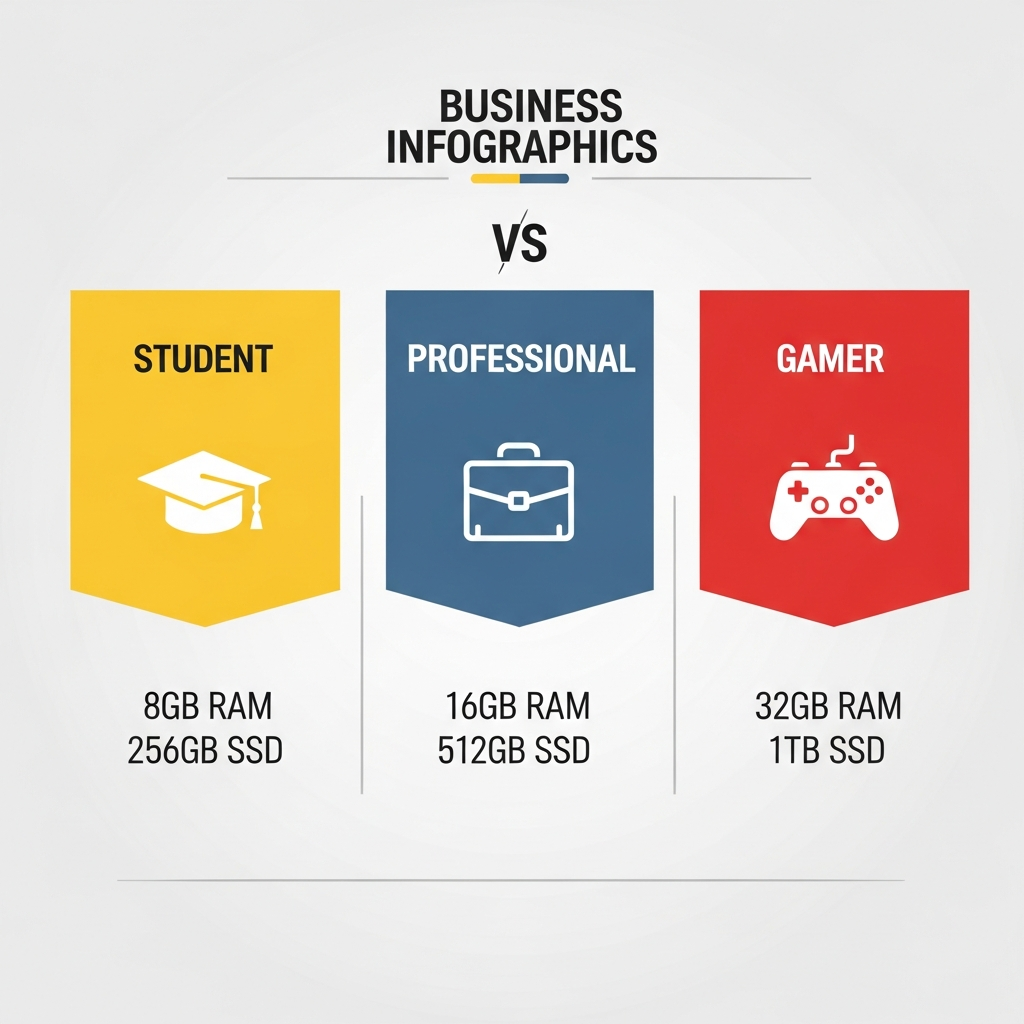
Storage is another area where you cannot afford to make a mistake during the buying process. You should always choose a Solid State Drive instead of an old fashioned hard disk drive.
A Solid State Drive allows your Laptop to turn on in seconds rather than minutes. It also makes every app feel snappy and immediate when you click on an icon.
The Importance of a High Quality Screen and Graphics
The screen is the part of the computer you will interact with the most during your ownership. You should look for a display with at least a 1080p resolution to ensure text looks sharp and clear.
Cheaper screens often have poor color accuracy and limited brightness levels. This can make it very difficult to work in a bright room or near a sunny window.
If you are a creative professional, you might even want to look for a 4K display. These screens offer incredible detail but they will also drain your battery much faster than standard displays.
Graphics cards are another consideration depending on your hobbies and work requirements. Most people can get away with integrated graphics that come built into the main Prosesor.
If you want to play modern video games or render 3D models, you will need a dedicated graphics card. These components add weight and cost to the machine but are necessary for high end visual work.
Portability and Battery Life Considerations
A Laptop is only useful if you can actually take it where you need to go. You should consider the weight and dimensions of the device if you plan on carrying it in a backpack every day.
Thirteen inch and fourteen inch models are generally considered the best balance for portability. They are small enough to fit on an airplane tray table but large enough for comfortable typing.

Battery life is equally important for people who are always on the move. Look for a manufacturer rating of at least ten hours to ensure you get through a full work day.
Keep in mind that real world battery life is usually lower than what the company advertises on the box. Reading third party reviews will give you a better idea of how long the machine actually lasts.
Operating Systems and Which One Fits You Best
Choosing between Windows and macOS is often a matter of personal preference and software needs. Windows offers the most variety in terms of hardware and is the best choice for gaming.
The macOS system is known for its stability and its seamless integration with other Apple products. Many creative professionals prefer this ecosystem because of the high quality build of the hardware.
There is also ChromeOS which is perfect for people who do almost everything inside a web browser. These devices are usually much more affordable and very easy to maintain over time.
Keyboard and Trackpad Comfort
You will spend thousands of hours typing and clicking, so do not ignore the input devices. A keyboard with good travel and tactile feedback makes a massive difference in your productivity.
Trackpads should be large and smooth to allow for easy gestures and precise navigation. Some Windows machines have smaller plastic trackpads that can feel jumpy or unresponsive.
If possible, visit a local store to test the keyboard and trackpad in person before buying. This hands on experience can prevent you from buying a machine that feels uncomfortable to use.
Ports and Connectivity Options
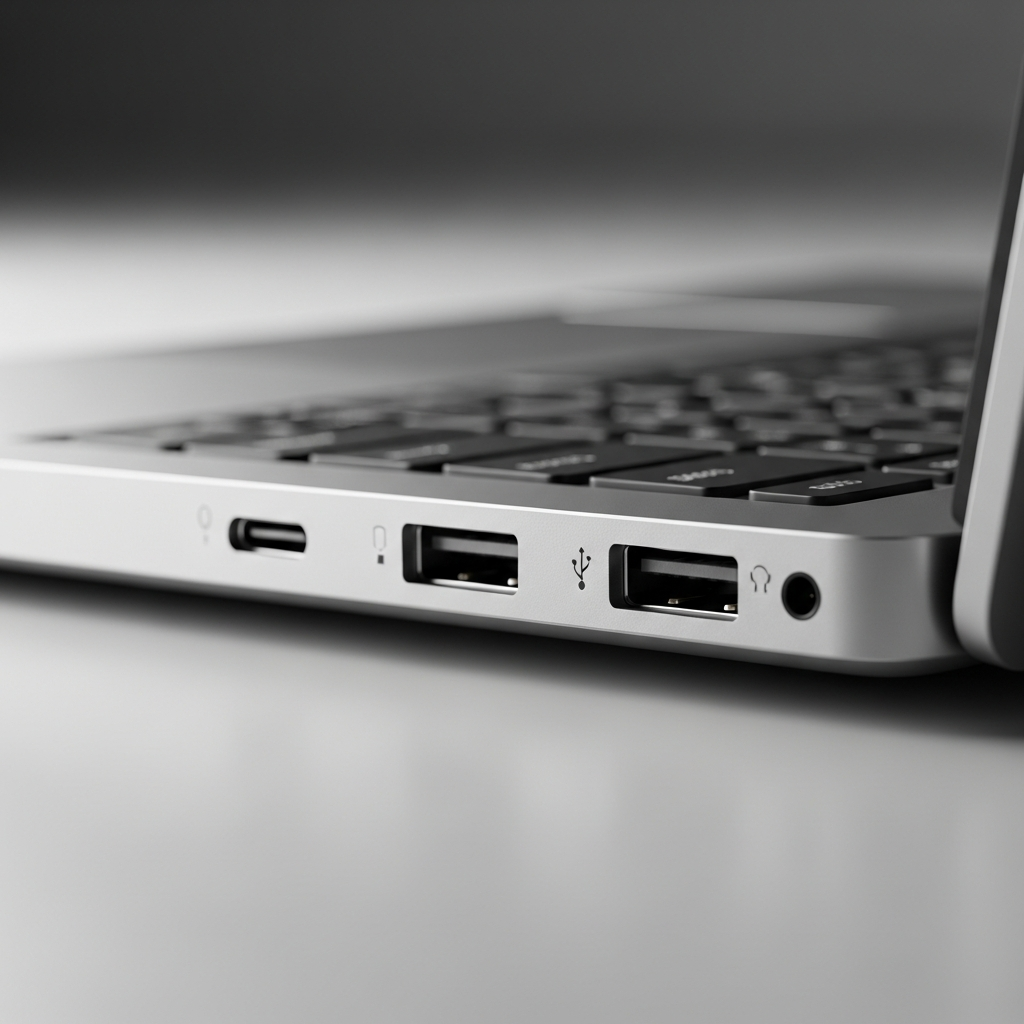
Modern laptops are getting thinner, which often means they have fewer places to plug things in. You should check to see if the model you want has enough USB ports for your accessories.
If you still use a wired mouse or external hard drives, you might need a machine with older USB-A ports. Many new models only use USB-C, which might require you to buy extra adapters or dongles.
Making Your Final Selection
Once you have narrowed down your list based on the Prosesor and memory, it is time to check for deals. Prices for any given Laptop can fluctuate wildly depending on the time of year or current sales.
Check for student discounts or holiday promotions to save a significant amount of money on your purchase. Also, consider looking at refurbished models from the manufacturer to get a higher end machine for less.
Always read recent customer reviews to see if there are any common complaints about overheating or build quality. Real users often highlight problems that you won’t find on the official product page.
Choosing a great computer is an investment in your productivity and your entertainment. By following these steps, you can find a machine that serves you well for many years to come.